Access is the First Seat at the Table
Guest post by Alexander M. Bhatt
Some of my earliest memories are not big dramatic moments. They are small calculations. The quiet scan for a ramp. The pause at a doorway that looks just a little too narrow. The familiar tightening in my chest when we approach a restaurant and I am already bracing for the first obstacle. Not the menu. Not the wait time. No, the step. The layout. The bathroom you can only reach by stairs. The crowded room where chairs are packed so tightly that moving through it feels like asking permission.
If you have never had to think about access, it can sound like a minor inconvenience. It is not. Accessibility is the background math you do everywhere you go. It is the extra planning that steals spontaneity. It is the way simple outings become strategic. It is the way you learn to smile while advocating, because you cannot afford to be seen as difficult. It is exhausting, not because the need is unreasonable, but because the world keeps pretending the need is rare.
What makes it harder to accept is how unnecessary it all feels. We live in a time where technology is almost absurdly advanced. People are testing self-driving cars. I can FaceTime my grandma in India and see her smile in real time from thousands of miles away. I can track a package as it moves across the country down to the minute. In a world like this, the extent to which basic spaces remain inaccessible is not just frustrating. It is unfathomable.
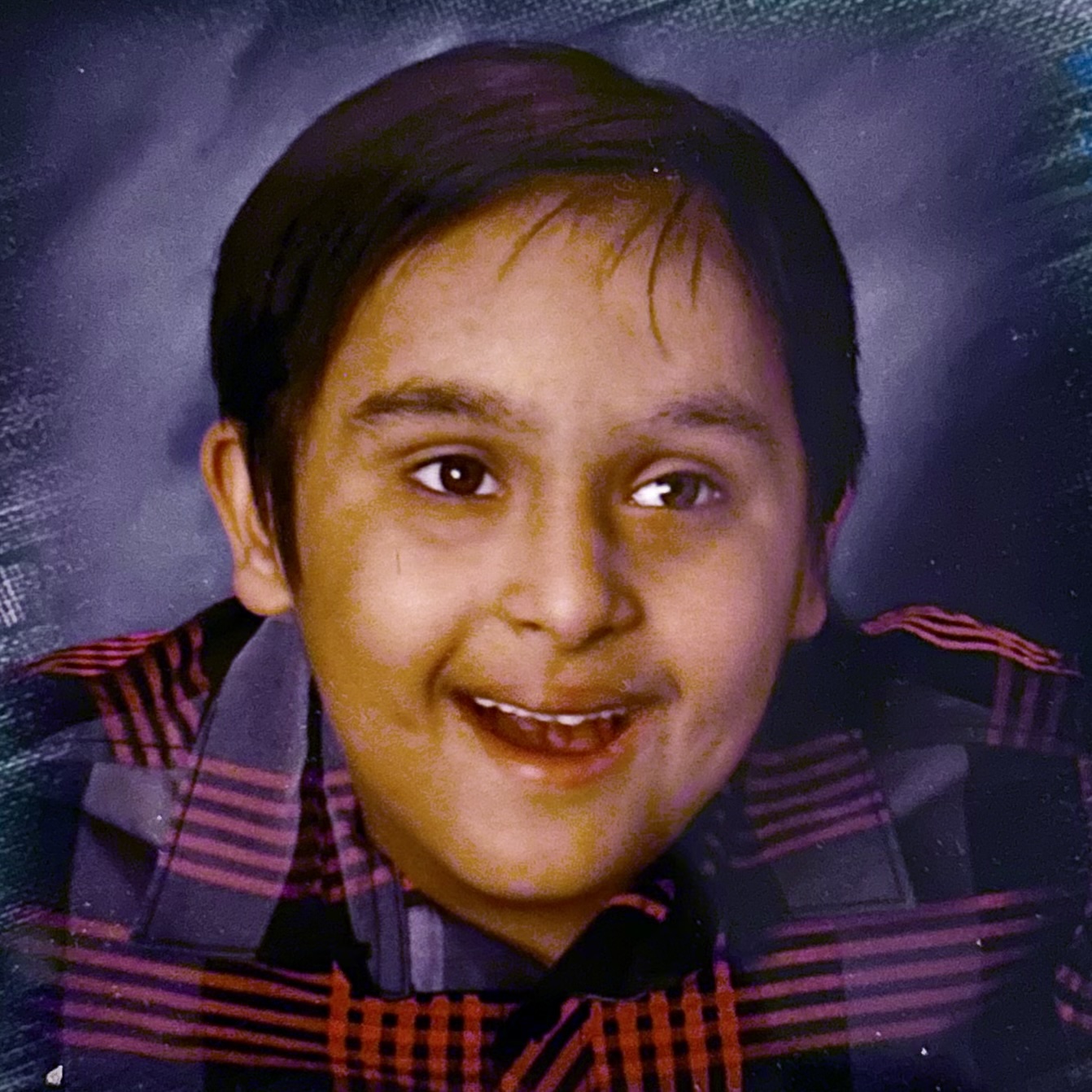
For me, accessibility is not theoretical. It has a name, a face, and a laugh I could pick out in any room. It’s my younger brother, Steven. Steven was born with Down Syndrome, cerebral palsy, thoracolumbar kyphoscoliosis, bilateral cataracts, and while these just look like clinical terms on a page, the reality is that they are the very things that shape how he moves through the world, turning everyday spaces into questions of what is comfortable, what is possible and what requires extra effort. Things most of us do without a second thought, often require more planning, more energy, and more consideration for him.
Steven is so much more than these clinical diagnoses. Steven is a guy who loves to listen to music, play in water, and someone who can forget what bothers him at the sight of a horse. He’s also a guy who hates grass, loud noises, and broccoli with a ferocity that makes me laugh.
Over the years, he has been to every facility under the sun. Telephone Pioneer Pool. United Cerebral Palsy. Gompers. Places filled with people who care, people who show up, people who have tried to give him support and joy and community. I am grateful for that. I am also angry that so much of Steven’s life has depended on patchwork solutions, specialized programs, and constant advocacy. As if belonging is something you have to earn again and again.
When you live close to disability, you start noticing how often access depends on luck. The luck of a manager who decides to move a table. The luck of a staff member who takes the time to listen. The luck of a sidewalk that happens to be smooth. The luck of a bathroom that happens to be wide enough. Dignity should not depend on luck. A full life should not depend on whether someone else feels helpful in the moment.
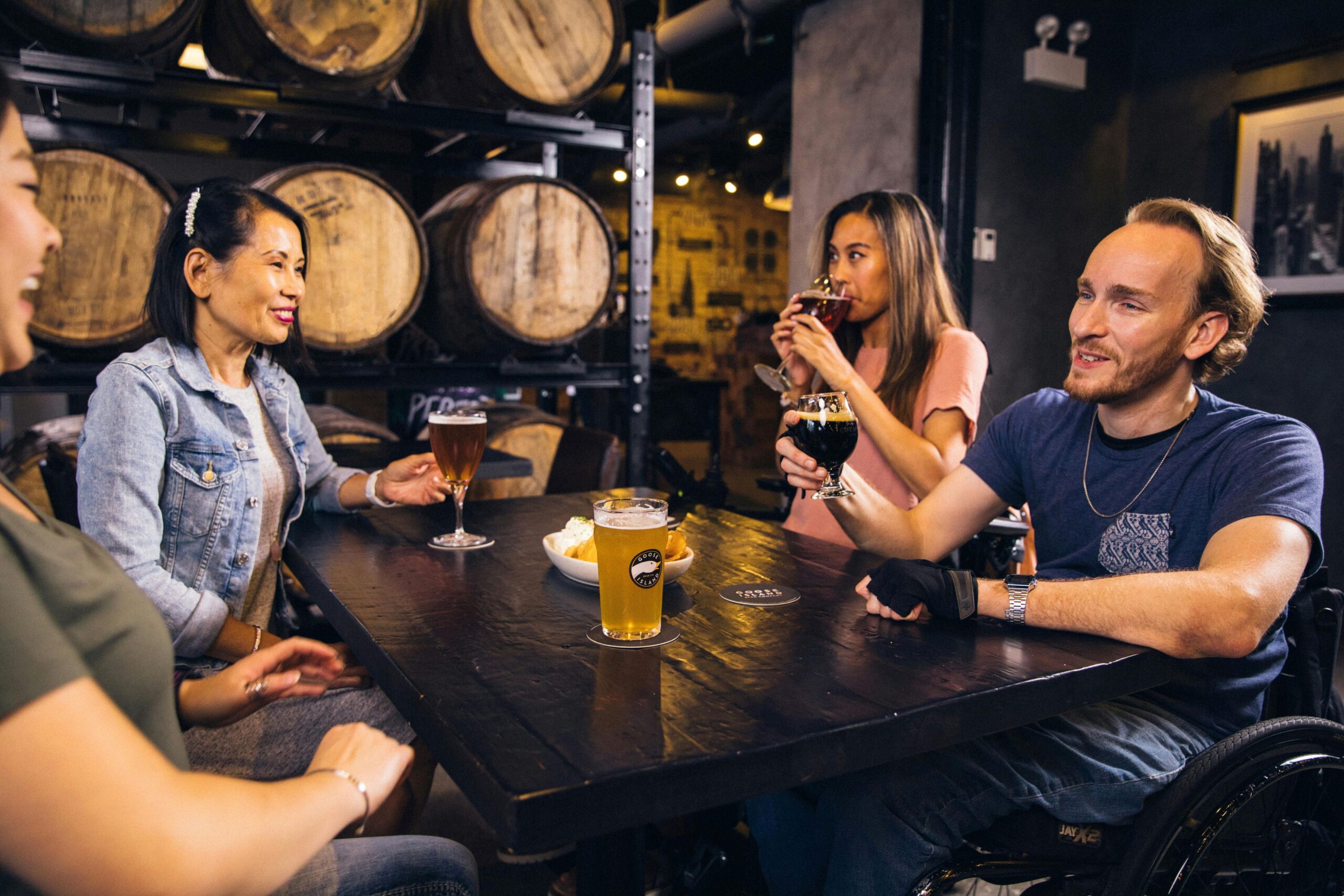
That is exactly why DineAbiliti matters so much to me. Before most people visit a restaurant, they check reviews for the food, the service, or the atmosphere. For many disabled people and their loved ones, the first question is even more basic: can we actually get in, move through the space, and feel comfortable once we are there?
DineAbiliti helps answer those questions by making accessibility information easier to find before someone arrives, giving people the dignity of planning ahead with confidence instead of having to navigate barriers in real time. In an industry built around hospitality, accessibility should never be an afterthought. It should be part of how we define a truly welcoming experience in the first place.
The unfortunate reality is that we often don’t see things until they happen to us. The world can be myopic. The issues that are treated as urgent are often the ones presented right in front of us, amplified by lobbying, grassroots campaigns, or social media. If something is not visible, it is easier to ignore. If it does not affect you directly, it can disappear from your mind entirely.
The irony is that it is often those who need accessibility most who are unable to advocate for themselves. Even when family members advocate for you, it can feel like you are asking for special treatment when you are really just asking for inclusion. It is exhausting to keep explaining, keep negotiating, keep hoping the next place will be different.
The other reality here is that disabilities are not always obvious. While Steven’s are visible in ways that invite assumptions, stares, quick judgments, and make it obvious that someone should be helpful in the moment, others are carrying theirs privately and silently, while being constantly misunderstood and worst, judged for not looking like they have a disability. People are navigating pain, sensory overload, hearing loss, low vision, neurologic conditions, chronic illness, anxiety, and so much more. They should not have to explain their disability or prove their needs to be accommodated or treated with respect.
Accessibility is a statement about who we allow to participate in public life. It is a statement about who gets to belong without asking permission. This is why I keep coming back to the same belief: Accessibility should be at the forefront. Not as an exception. Not as an add-on. Not as the last line item, to ensure compliance, after everything else has been decided. I want a world where Steven is not an afterthought. I want him to be met with the same acceptance everyone else receives – that feeling that he is welcome here, that this is a world he can participate in, rather than one that’s slowly closing its doors around him. And I want us to stop waiting until disability touches our own lives to care.
We already have the tools. What we need now is the will, to build a world where access isn’t an exception, but an expectation.
Related Posts
Access is the First Seat at the Table
Going to a Restaurant Should Not Be a Gamble