DineAbiliti curates firsthand experiences from real diners to uncover the true accessibility of restaurants.

Restaurant Details
The Story Behind DineAbiliti
About DineAbiliti
We didn’t set out to start a company, we set out to share a meal. One evening, our family arrived at a restaurant we were excited about, only to stop at the entrance: couple stairs, no ramp, no alternative. Our cousin who uses a wheelchair, offered a familiar reassurance, “It’s okay, this happens all the time.” But it wasn’t okay. That moment made us realize how quietly exclusion operates, forcing families to plan their lives around uncertainty and lowered expectations. We left not just frustrated with one restaurant, but with a system that made accessibility a matter of chance.
That experience became the foundation of DineAbiliti. We began digging through countless online reviews, searching for the details that actually matter – entrances, restrooms, seating, staff attitudes, only to find the information scattered and unreliable. So we built a solution together, teaching ourselves how to use AI to surface clear, firsthand accessibility insights. What started as a passion project became a public platform helping people dine with confidence. For us, DineAbiliti is about dignity, turning “I hope this works” into “I know it will.”
-- Sanjit & Rohit Krishnamurthy
What is DineAbiliti
DineAbiliti helps people with disabilities find restaurants they can trust by surfacing real, firsthand accessibility experiences from other diners. Instead of vague “accessible” labels, it uses AI to organize and summarize first hand insights about entrances, seating, restrooms, service animals, staff support, and more, so you can plan with confidence and avoid unpleasant surprises when dining out.

Meet Tayjus
The inspiration behind DineAbiliti
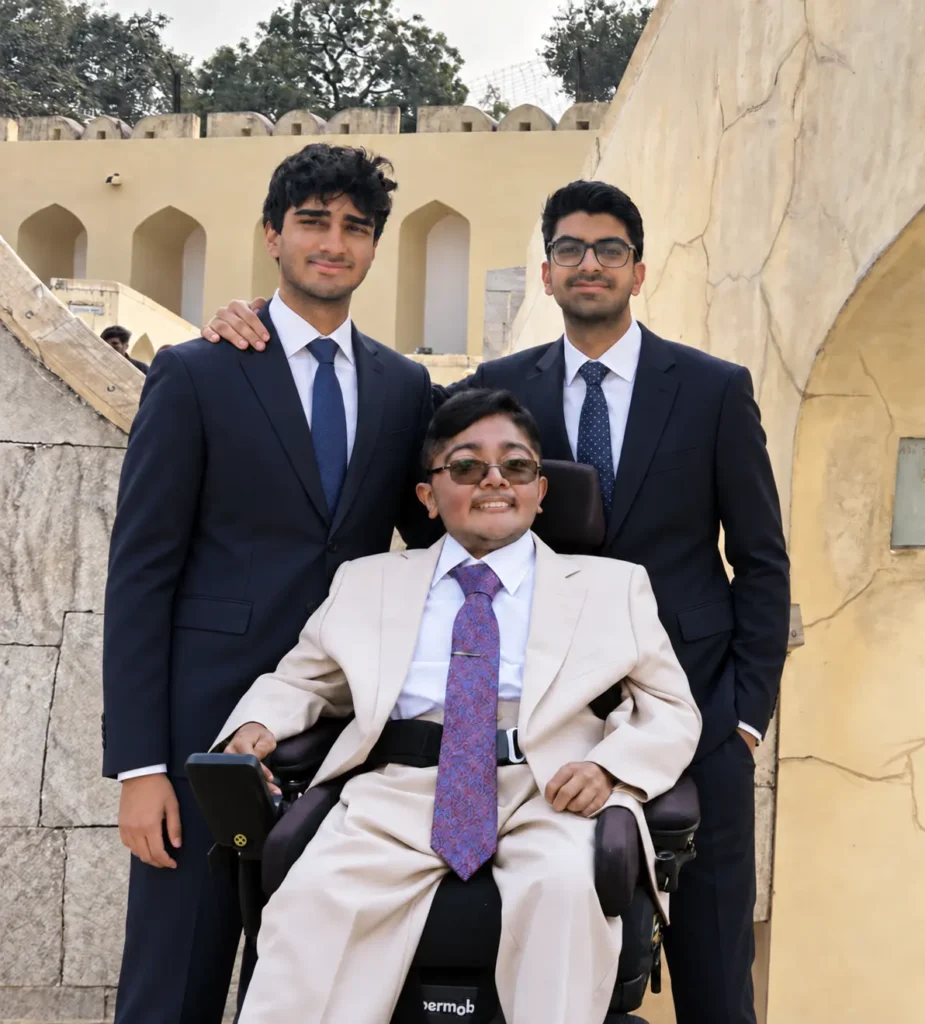
Behind DineAbiliti’s mission is someone very special to its founders: their cousin, Tayjus Surampudi. For brothers Sanjit and Rohit Krishnamurthy, Tayjus has always been more than the inspiration for an idea. He is family, and his experiences have shaped how they think about independence, inclusion, and the everyday opportunities everyone should be able to enjoy.
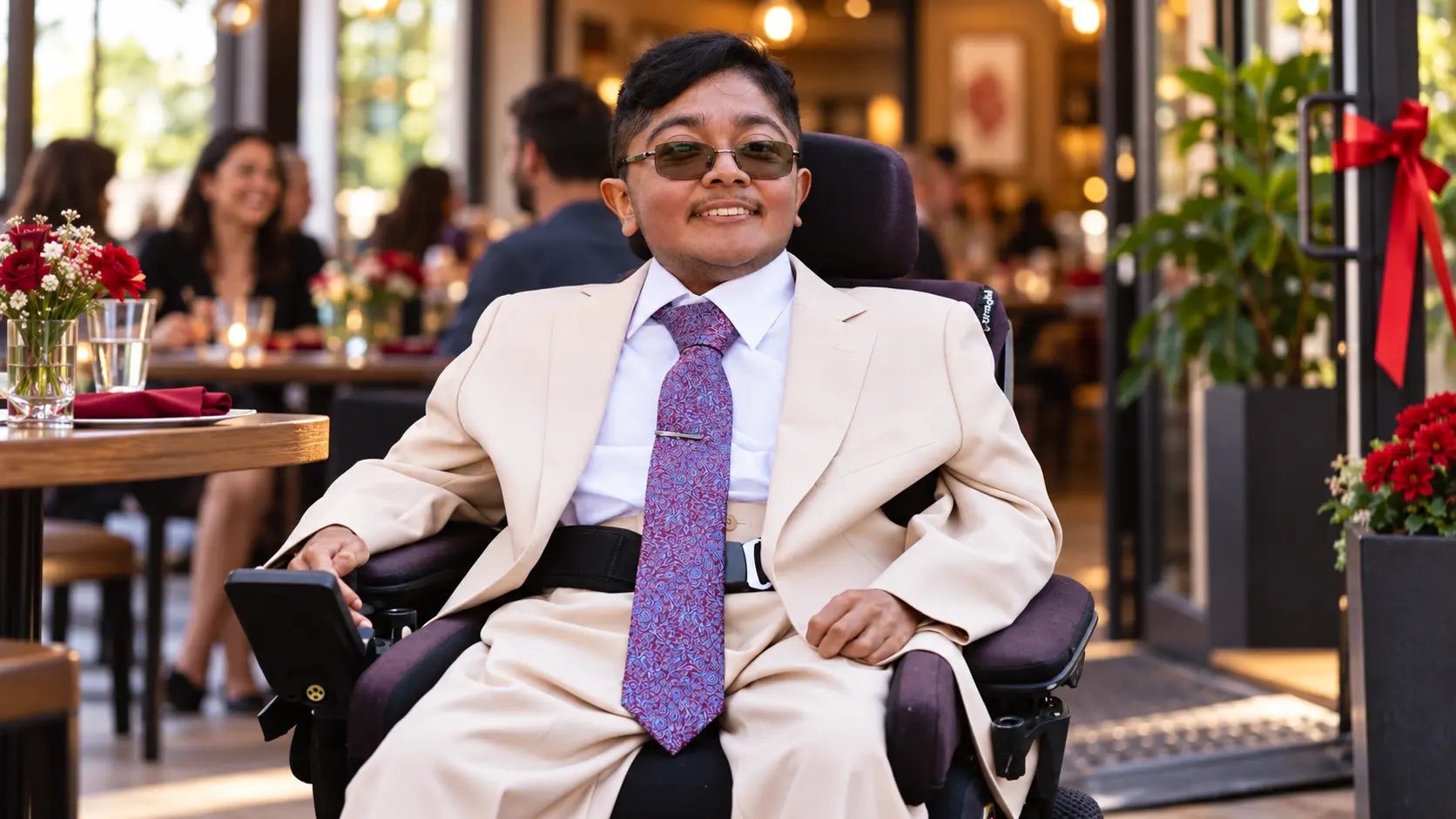
Tayjus lives with Duchenne muscular dystrophy, a rare genetic condition that causes progressive muscle weakness, and uses a power wheelchair. Through his experiences, the brothers came to appreciate that accessibility is rarely a simple yes-or-no question. A place may be described as accessible, yet the details that matter to an individual can tell a very different story.
A voice for practical accessibility
Long before DineAbiliti was created, Tayjus was writing about the importance of understanding accessibility in real-world settings. As a teenager preparing for college, he encouraged other students with disabilities to research campus accommodations, independent-living resources, and physical access rather than rely on broad assurances. His curiosity and advocacy extended to travel. In articles about accessible accommodations and online booking filters, he examined the gap between an “accessible” label and the features a wheelchair user actually needs. A listing might sound promising, for example, while leaving essential questions about doorways, bathrooms, or usable routes unanswered.
The perspective that stays with us
Across his writing about college, travel, and transportation, Tayjus returns to a consistent idea: people need specific, dependable information to decide what works for them. Accessibility is personal. What is usable for one person may not be usable for another, and the most helpful details often come from lived experience. That perspective continues to guide DineAbiliti. The platform’s purpose is rooted in listening to real experiences and recognizing that small details can shape whether someone feels prepared, welcomed, and included. Tayjus reminds us that accessibility is not simply about getting through a doorway. It is about having the freedom to make plans, discover new places, spend time with people we care about, and participate on our own terms.
Because everyone deserves a seat at the table.