
What is Accessible Dining?

friends

What Is Accessible Dining?

12 Tips for ACCESSIBLE DINING

Tip 1: What Is Accessible Dining?

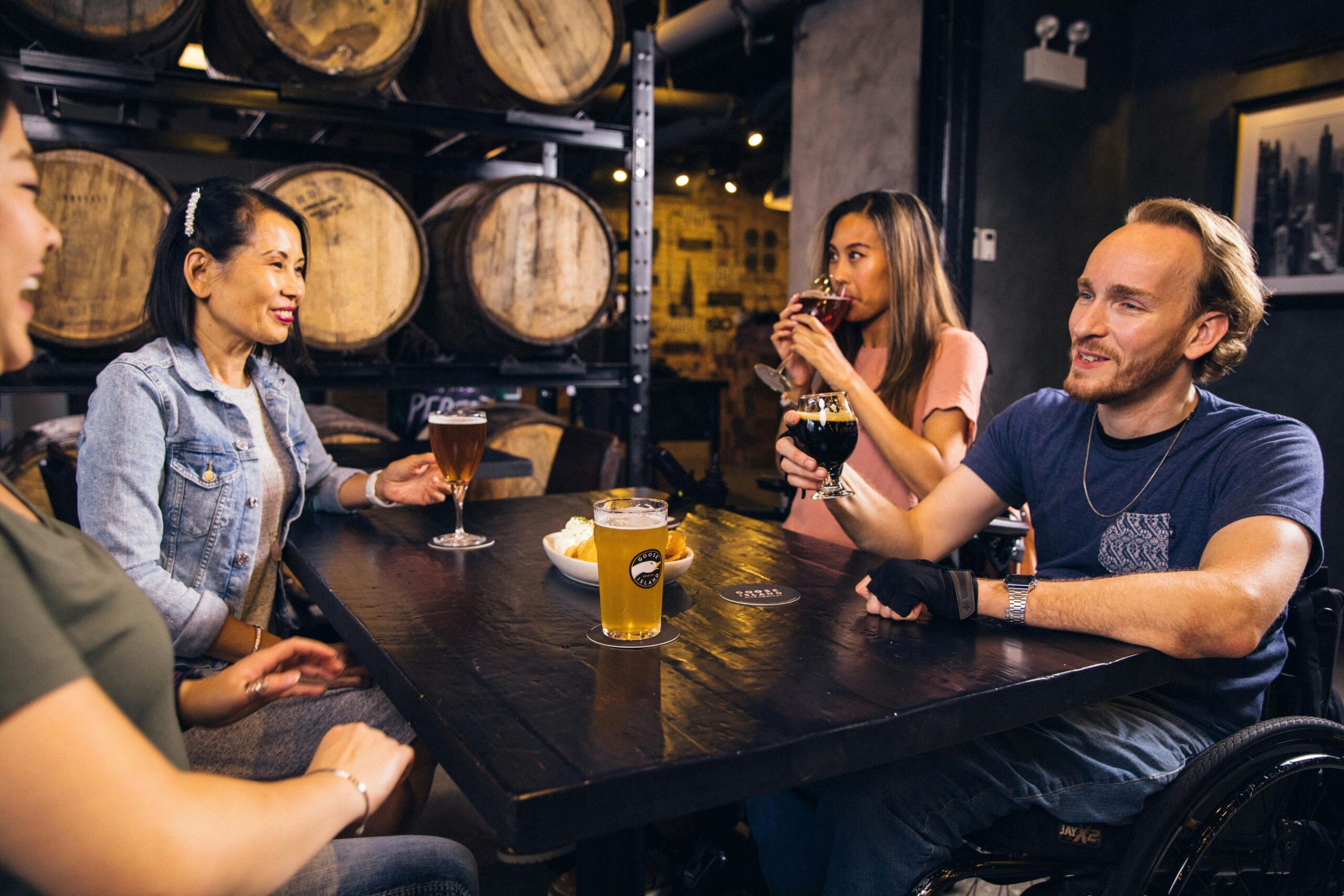
When we talk about accessible dining, we’re talking about more than ramps, menus, or tables. We’re talking about creating an environment where every guest can enjoy a meal with ease, autonomy, and dignity. Accessible dining recognizes that disabilities vary widely, and so must the ways restaurants welcome, support, and serve their guests.

Accessible dining means designing an experience that works for everyone—from navigating the entrance to placing an order to fully engaging in the social experience of eating together. When businesses approach accessibility with intention, they not only meet legal requirements but also build inclusive, loyal customer communities.

Key Elements of Accessible Dining

1. Mobility Access

This includes barrier-free entrances, wide aisles, movable seating, accessible restrooms, and thoughtful interior layouts. Guests using wheelchairs, walkers, canes, or other mobility aids should be able to enter, maneuver, and sit comfortably without needing assistance.

2. Sensory-Friendly Environments

Sensory accessibility involves reducing overwhelming stimuli for guests who experience sensory sensitivities, including many autistic and neurodivergent diners. Helpful approaches include moderate lighting, minimized background noise, quiet corners, and predictable environments.

3. Communication Support

Accessibility also means ensuring guests can communicate effectively with staff. This may involve:

  • Large-print or high-contrast menus
  • Digital menus compatible with screen readers
  • Staff trained to speak clearly and patiently
  • Willingness to write things down or use communication apps

4. Dietary and Medical Considerations

Guests with allergies, chronic illnesses, or medical dietary restrictions need safe, transparent food practices. Accessible dining includes clear ingredient information, training on cross-contamination, and respect for guests’ medical needs without judgment.

5. Staff Awareness and Training

Even the most accessible physical environment can fall short if staff are unprepared. Training in disability etiquette, communication strategies, and inclusive service practices empowers teams to serve all guests confidently and respectfully.

Accessible dining is not a box to check. It is a commitment to hospitality that honors every person’s right to enjoy shared meals and social spaces.

FAQ: Accessible Dining

What disabilities should restaurants consider when improving accessibility?

Mobility, sensory, visual, auditory, cognitive, and chronic health disabilities all play a role in shaping dining experiences. Accessibility improvements should consider a wide range of needs, not just visible disabilities.

Is accessibility only about physical features?

No. Accessibility also includes communication, service practices, digital interactions, menu design, and staff training. A space may be physically accessible but still challenging for guests who need sensory accommodations or communication support.

Does offering accessible dining require expensive renovations?

Not always. While structural changes can be important, many impactful improvements are low-cost or free, such as reorganizing furniture, reducing noise, training staff, updating menus, or offering flexible seating options.

How can restaurants become more sensory-friendly?

Dimming harsh lights, lowering background music, creating quiet seating areas, offering advance information online, and training staff to recognize sensory overload can all make a difference.

What is the role of staff in accessible dining?

Staff play a central role. Approachability, patience, awareness, and respect are critical. Training should cover disability etiquette, communication techniques, and inclusive service practices.

Why is accessible dining important for business?

Accessible practices expand your customer base, improve guest satisfaction, build a positive reputation, and foster community inclusion. Accessibility benefits everyone, not just people with disabilities.

DineAbiliti Logo

Related Posts

friends

What is Accessible Dining?

What Is Accessible Dining? 12 Tips for ACCESSIBLE DINING Tip 1: What Is Accessible Dining?...

Service Animals in Restaurants: A Gap Between Perception and Experience

Service Animals in Restaurants: Accessibility Challenges and Solutions The Accessibility Gap for Service Animal Users​...
accessibility

Why “Accessible” Isn’t Always Accessible—and How DineAbiliti Fixes That

When a restaurant lists itself as “accessible” online, most diners assume that means it’s truly...

Leave a Reply

Your email address will not be published. Required fields are marked *